
- Adjusting to life after divorce has stages: a settling-in period of facing reality, a rebuilding period as your identity changes, and then a period of consolidation.
- Living with an ex-spouse after divorce can ease money pressure and keep life steady for the children, but it can also bring friction, a lack of privacy and emotional strain.
- Children need both parents to build an emotionally safe home, and to understand that love is not an either-or game: they can love Dad and Mum at the same time.
- Family structure is not what decides whether a child develops well. What matters is the quality of family interaction and the stability of daily life.
When a marriage has children, life after divorce is not only about personal adjustment. The family itself is being reorganised. Co-parenting arrangements and rearranging time with the children test every parent’s wisdom.
This article looks at how to rebuild life after divorce.
The emotional journey of life after divorce: the settling-in and rebuilding periods
Psychological research divides adjustment after divorce into stages. First comes a settling-in period of facing reality, followed by a rebuilding period as your identity changes.
The end of a marriage is more than the end of a signed agreement. What is lost is not only a relationship, but also the future you pictured and your sense of security.
The settling-in period: the first step is facing reality
- This stage often comes with strong denial and resistance. Many people instinctively “shut down” what they feel, to escape painful reality for a while.
- Some people dwell on fantasies of winning the relationship back and try again and again to reconcile with their former partner. Others may seem numb, dazed, anxious or depressed.
- These are natural reactions to the end of a marriage, not signs of personal weakness. At this stage, emotional support from trusted friends matters a great deal.
The rebuilding period: the challenge and opportunity of a new identity
Marriage gives people a particular social role: someone’s “husband” or “wife”. When those labels suddenly disappear, many fall into an existential crisis: “Who am I, really?” “What am I living for?”
Many divorced people feel a strong sense of failure and shame at this stage. They think they “can’t face anyone” or that their “life has failed”. Some direct all their resentment at their ex-spouse.
This shaking of identity is also a chance to get to know yourself again. You can start to build a more honest sense of who you are, and stop relying on marriage to define your worth.
Still in the settling-in period after divorce?
If in doubt, feel free to contact our dedicated consultants.

The journey of inner healing and adjusting to real life
The emotions of life after divorce are complex and deep. The core pain often comes from doubting your own worth: “Am I worthy of being loved?”
Depression and anxiety are common at this stage. The key is to learn to accept these feelings while avoiding a long stay in a “victim” mindset.
Choosing to see your experience as a “survivor” rather than a “victim” can bring out inner resilience and pave the way for rebuilding.
Life after divorce often brings real money pressure: income may drop sharply, living standards may fall, and some people need to rely on maintenance or return to work.
Anxiety and panic are natural when facing these practical problems. Adjusting to a new financial reality takes time and patience.
Adjusting to real life
- The start is hard, but most people eventually find a way of life that suits them. What matters is to stay patient and trust your ability to adapt.
- Just as a transplanted seedling needs time to settle into a new place, a divorced person needs to give themselves room to recover and grow, and to learn to be kind to themselves.
Rebuilding life through self-care: balancing discipline with children, and the consolidation period
After a divorce, self-care is not a luxury but a necessity. Setting aside time each day for quiet reflection and doing things that please you can ease inner pressure effectively.
- When your emotions swing, try to stop, take a deep breath, relax your tense body and talk to yourself gently.
- Sharing your feelings with trusted family and friends also lightens the load. A little understanding and support often gives you the strength to keep going.
- Look for community resources such as support groups for divorced people and parents’ groups. They give you practical advice, and you meet others in the same situation, which eases loneliness.
- Professional counselling gives you a safe place to face your problems and deal with complicated emotions effectively.
Balancing discipline with your children
Many parents, out of guilt, give in to their children too much, trying to make up for the loss of a “complete family”.
Research shows, however, that children in high-conflict families often do worse in mental health than children whose parents separate calmly.
Please note
- Children need love and care, and also sensible boundaries and rules. Keeping to consistent principles of discipline, and explaining clearly that the end of the marriage is an adult matter and not the child’s fault, can ease the burden on a child’s mind.
- Avoid drawing children into adult conflict or using them to get back at your ex. A former spouse is no longer a partner but will always be the child’s father or mother. Arranging time with the children calmly matters a great deal for their healthy growth.
The consolidation period: a new start after the fire
As time passes, life after divorce gradually reaches the consolidation period. People have picked up the skills for their new life, begin to accept their new identity, and feel clearly less anxious and depressed.
Life after divorce is a journey of exploring what is lost and what is gained. It is also an important test that helps people mature inside.
- Preparing mentally for divorce, and how counselling helps mental health
- Dating after divorce: challenges, opportunities and points to watch
- How long must you wait to remarry after divorce in Hong Kong, and what is the procedure?
Living together after divorce: a new relationship under one roof
In arranging life after divorce, some people choose to keep living with their ex-spouse under the same roof. This is not rare.
- Money is often one of the main reasons, especially with today’s high property prices and cost of living, when separate homes can add to both sides’ financial burden.
- Children are another important consideration. Many parents keep the existing living arrangement to soften the upheaval the divorce brings to their children.
- As social attitudes change, divorce no longer carries a strong stigma, and some places even have rules that support this kind of arrangement, making it a reasonable choice.
The pros and cons of living together
Living together after divorce can ease both sides’ money pressure considerably. By sharing rent, utilities and everyday costs, you keep a fairly stable standard of living.
For children, there is no need to move home or change school, daily contact with both parents continues, and the two parents can coordinate childcare more flexibly.
Potential risk
- The biggest challenge is ongoing friction. Even after a divorce agreement has been signed, differences in daily habits and in views on bringing up children can still cause conflict.
- A lack of privacy and personal space easily builds up inner strain, especially when one or both of you want to start a new relationship.
- Continuing to live with an ex-spouse can lead to chronic stress and anxiety, especially when the reasons for the divorce involved serious emotional trauma. If this stress lasts a long time, it can affect work performance, social relationships and even physical health.
- Living together may slow the rebuilding of your own identity, making it hard to truly begin life in the “post-marriage” stage.
- Friends and family may find the arrangement hard to understand, which can mean less social support.
People often hold up the ideal of “staying good friends after divorce”, but a 2020 study from Denmark shows that this takes deliberate learning and practice.
Most people need to go through a psychological process of letting go, forgiving and working through grief before they can build a healthy way of coexisting with a former partner.
The effect on children’s development
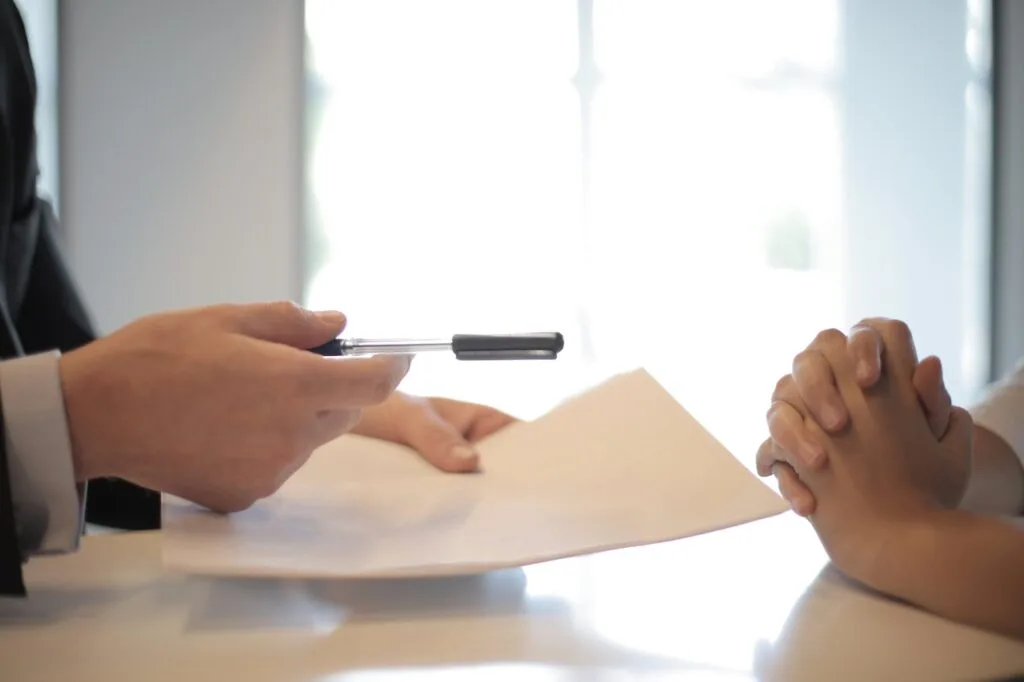
Research shows that ongoing high conflict between parents harms children more than the divorce itself. Children may show behaviour problems, emotional distress or falling school results.
Please note
- The generational effect: children from divorced families tend to have less stable marriages later on. This is linked to a weaker sense of commitment to marriage and to patterns of relating to others learned while growing up.
If parents can build a healthy co-parenting relationship after divorce and show a mature way of resolving conflict, they can instead give their children a positive example to follow.
- How to secure the best maintenance after divorce
- Risks of moving assets before a divorce, and how to avoid having property divided
- Is a wife always entitled to half the assets on divorce?
- Hong Kong divorce: property title, mortgage division and points to note
- Housing arrangements for public rental flats after divorce
Thinking about living with your ex-spouse after divorce?
Get in touch, and a dedicated consultant will first understand your situation.
Life after divorce: how to help children out of the shadow
In life after divorce, children need both parents to build an emotionally safe home, and to know clearly that love is not an either-or game.
When a cheerful, outgoing child becomes quiet and unhappy and will not say how they really feel, it may be an outward sign of trouble deep inside.
The storm of divorce: its impact on a child’s heart
- Divorce completely changes the world a child knows. Children also have to adjust to changes in their parents’ moods, in daily habits and in how they relate to each parent.
- Children usually lack the emotional tools to handle such a complex shock. They may feel confused, angry, sad, even guilty, believing that their parents’ divorce is their fault.
- Children have no say in the decision, yet must carry great emotional pressure. That pressure can affect them for a long time.
Caught in the middle: a child’s inner struggle
“Is the war between Mum and Dad really over?” Many children are afraid to say this out loud. They fear that showing love for one parent will hurt the other.
Many children choose what looks like a simple solution: taking sides. On the surface they may stay close to one parent while pulling away from, or rejecting, the other.
The key to rebuilding a sense of safety
- This forced choice is not a healthy way to express feelings. Children need to know clearly that they have every right to love both Dad and Mum, without feeling guilty or worried about it.
- Parents should draw a clear line between the couple relationship and the parent-child relationship. Someone who was not an ideal partner can still be a capable father or mother.
- A child should form their view of each parent from real experience with them, not from what the other parent has put in their mind.
- Keep communication open, encourage children to say how they really feel, and make sure they know their feelings are respected and understood.
Creating a rainbow for your children: the emotional gap parents must cross
Parents first need to ask themselves honestly: “Have we really finished the divorce emotionally?” Leftover affection, resentment or score-keeping quietly affects the quality of time with the children.
Parents should work to shift their focus from “former partner” to “my child’s other parent”. Letting go is not for the other person’s sake, but for the happiness of the children and yourself.

Building a new co-parenting relationship
Love is not a zero-sum game. A child’s heart is big enough to hold love for both parents.
Research shows that, unless there is abuse or serious misconduct, keeping a positive relationship with both parents matters a great deal for a child’s mental health and development.
When children no longer feel they must choose between their parents, their smiles and happiness return naturally.
Life after divorce: redefining the “complete family”
Current research shows that family structure is not what decides whether a child develops well. What matters most is the quality of family interaction.
For many parents thinking about divorce, the biggest worry is that “the child will lose a complete family”.
Research has not reached an absolute conclusion that “staying in an unhappy marriage is better than divorce” or that “divorce is always better than a bad marriage”.
Please note
- Children who live in a high-conflict home for a long time can suffer deep, harmful effects whether or not their parents divorce, especially when they are pulled into their parents’ arguments or told to take sides.
Why a stable daily life matters
In life after divorce, many accompanying changes in daily life can affect a child even more deeply, including:
- Frequent moves
- Changing schools
- A sudden change in the family’s finances
- A parent quickly starting a new relationship or remarrying can also add to a child’s stress in adjusting. Piled together, these changes often go beyond what a child can cope with, and lead to behaviour or emotional problems.
A stable home, a familiar school and circle of friends, and a continuing, reliable care arrangement all help children get through the family’s transition more smoothly.
Love and a sense of safety are the key
Even while adjusting to life after divorce, children can still grow up healthy as long as the home stays safe, supportive and full of love.
Many studies show that children from healthy divorced families often do healthier and adjust better than children from intact but high-conflict families.
Divorce: a journey of starting again
Most people go through marked emotional swings and changes in daily life during the first one to two years after divorce.
Many feel tired and confused, and even doubt their decision. This is a natural part of the change and does not mean the decision to divorce was wrong.
Mixed feelings, flowing naturally
- Sadness, anger, unease, emptiness, loneliness, loss and even regret are all natural reactions while adjusting.
- Practical changes such as moving home, reorganising finances, arrangements for custody of the children and rebuilding a social circle often bring strong stress and a sense of being off balance. Many begin to ask: “Who am I, really?” “What is left of me outside the marriage?”
- In a high-conflict divorce, anger, disappointment or blame toward a former partner may run stronger, and expressing these feelings in moderation can help you cut ties with the past.
- But when these feelings turn into destructive behaviour, they can do further harm to yourself and others.
Social pressure and stigma
- In some cultures or traditional societies, divorced people may be seen as “failures” or “immoral”. This outside view often adds to the person’s emotional burden.
- Such social attitudes can make it hard for divorced people to reconnect with their family of origin or social circle, deepening loneliness and social isolation.
- It is important to build a new support system. Divorce support groups, professional counselling or an open-minded circle of friends can each give emotional support and practical resources.
The courage to choose happiness again
Life after divorce should not be seen as failure. It is a brave act of choosing to respect yourself and pursue happiness.
Divorce brings temporary pain and unease, but it also creates a valuable chance to get to know yourself again, to be clear about what you need in relationships, and to learn to look after yourself.

Everyone who goes through a divorce has the right to move at their own pace and to build a healthier, more honest life after divorce.
How can I keep my child’s life stable?
Feel free to check your situation with us.
Frequently asked questions about life after divorce
How do I adjust my mindset after divorce?
Accept that mood swings are normal. Allow yourself to grieve and heal, focus on your own growth, and build a positive outlook step by step.
How do I cope with money pressure?
Draw up a budget, control spending, get professional financial advice, and where needed build up your skills and add to your income to steady your finances.
How do I rebuild my confidence?
Focus on your own interests and goals, take up new activities or learning, recognise your own worth, and gradually recover your sense of who you are.
How do I build a new social circle?
Take part in community activities, interest groups or support groups, connect with like-minded people and widen your circle of friends.
How do I deal with loneliness?
Stay in touch with family and friends, look for emotional support, and develop hobbies so that your life feels full and loneliness has less hold on you.
How should I get along with my children after divorce?
Keep communication open and give emotional support. Make sure your children feel stability and love, and do not put your own stress on them.
How do I deal with other people’s views of my divorce?
Understand that everyone sees things differently, focus on your own happiness, and try not to care too much about outside judgement and labels.
How do I balance feelings with practical needs after divorce?
Face reality calmly and organise your life well, while giving yourself time to deal with your feelings, so that you find a balance between your inner world and daily life.
How do I get ready for a new relationship?
Heal the hurt of the past and be clear about what you need, so that you enter a new relationship in a healthy frame of mind and avoid repeating old mistakes.
How do I improve my quality of life after divorce?
Set new goals, try new challenges, be kind to yourself, and exercise and learn regularly, so that life is full of freshness and hope.