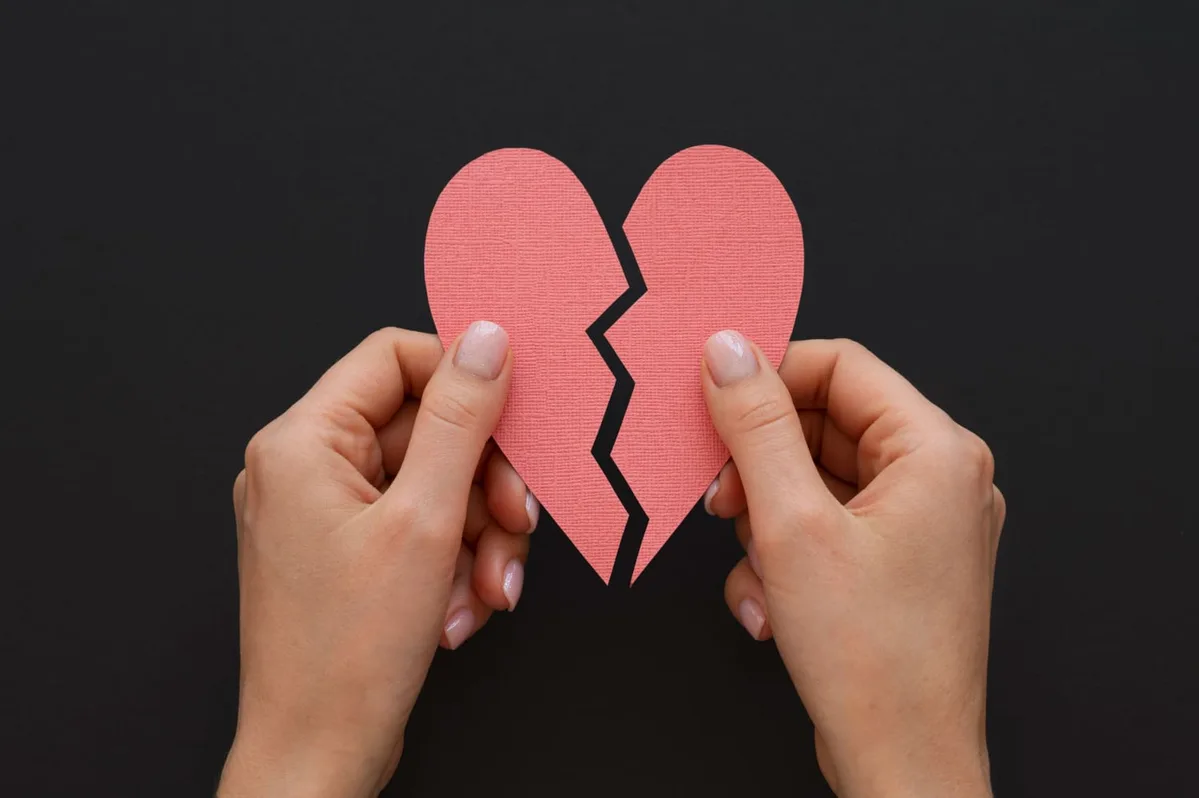
- On the Life Stress Events scale, divorce scores as high as 73.3 points, second only to the stress of a spouse’s death.
- The emotional process of divorce is much like mourning a loved one, with five stages: denial, anger, bargaining, depression and acceptance.
- Professional counselling can help a person understand and work through the many emotional swings that divorce causes, and offers strategies for coping with changes in life.
- Many women in midlife who ask for a divorce are, at a deeper level, unhappy with a way of life they have held back for a long time.
Many engaged couples seek pre-marriage counselling to prepare better for married life. When cracks appear in a marriage, a couple may consider professional marriage counselling.
This article looks at divorce counselling, emotional preparation, and how counselling supports mental health.
Divorce stress scores, emotional challenges and facing reality
On the Life Stress Events scale, divorce scores as high as 73.3 points. It ranks second, behind only the stress of a spouse’s death.
Divorce is not only a legal step. It is also a deep emotional and psychological process.
Separating from a spouse is seen as an extremely painful stage. It affects not only mental health but also physical health.
Divorce usually involves many factors. They seldom happen in isolation and often pile on top of one another, for example:
- Mismatched personalities
- An uneven share of childcare
- Different views on bringing up children
- Problems with in-laws
- Infidelity
- Domestic violence
- Debts
- Gambling
When a relationship ends, a person may feel hurt, wronged, angry and resentful, and may even live with lasting worry and fear.
Remembering how you met, married and had children, those happy memories contrast sharply with the present, and the emotional gap becomes harder to bear.
When the early passion fades, the small daily things of real life make communication hard. This kind of stress is like walking a tightrope, and over time it can leave a person feeling numb.
- Tips for couples to communicate when you do not want to divorce or break up
- How couples can keep their marriage strong and prevent divorce
- The best ways to nurture a marriage in Hong Kong
- Does marriage counselling in Hong Kong help?
- Benefits of family mediation for Hong Kong families
Finding the emotional challenges after divorce too hard to bear?
If in doubt, feel free to contact our dedicated consultants.

Emotional preparation before divorce
Preparing emotionally for divorce is vital. It means understanding and accepting that your life is about to change, and starting to adjust your mindset for the challenges ahead.
Divorce is a separation both emotional and legal, and it often brings deep psychological change.
Before they begin the divorce procedure, many couples have already lived through a long build-up of dissatisfaction and conflict.
This shift in mindset runs from first uncertainty and hesitation to a final decision, and every step can bring deep emotional swings and psychological shock.
The five emotional stages of divorce
Psychologists point out that the emotional process of divorce is much like mourning a loved one. It has five stages, which describe the change from first shock to finally accepting reality:
-
Denial
At the start of a divorce, people often find the change hard to accept, and may show denial and self-protective behaviour.
-
Anger
As feelings are let out, anger and blame may become the norm.
-
Bargaining
In the bargaining stage, a divorcing person may try to save the marriage or to prolong it.
-
Depression
When those efforts fail, a period of depression may follow, with feelings of disappointment and despair about life.
-
Acceptance
Finally, once a person begins to accept reality, they enter the acceptance stage and start preparing to rebuild their life.
Counselling: emotional support through divorce
Counselling can help a person work through the emotional distress of leaving a marriage, such as sadness, resentment or fear.
Professional counselling offers a safe place to express and work through these often suppressed feelings, and to learn how to build a healthier future.
Divorce and personal growth: redefining yourself
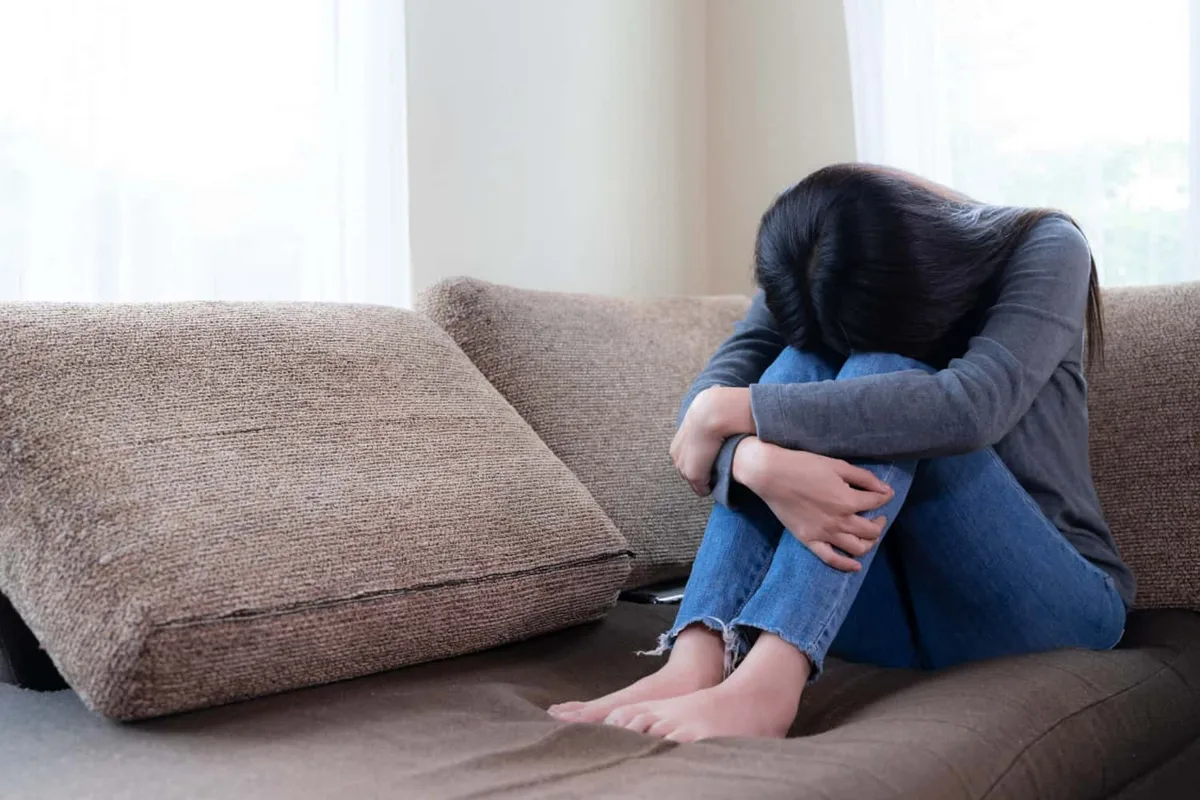
In life after divorce, many people go through a “transition and reconstruction stage”, a process that runs from re-examining yourself to adjusting your daily life.
At this stage, a person may need to explore again:
- Their own interests
- Their career goals
- Relationships with others
In this process, professional counselling and support are especially important. They can help a person adapt to a new way of life more quickly and support their overall wellbeing.
Long-term emotional recovery
Recovery after divorce is a long process that can last years. Continued counselling and a support network are vital in helping a person deal with ongoing challenges, including:
- Learning to co-parent effectively with a former spouse
- Re-entering social life or dating
- Managing any financial strain caused by the divorce
With counselling and the right support, a person can not only deal with the immediate effects of divorce but also build on them for personal growth and development.
Facing the emotional effects of divorce and actively seeking professional counselling is a key step towards recovery and moving forward.
- Staying together for the children: the myth, and the pros and cons of divorce for children
- When a spouse is deep in debt and does not change: thinking about divorce
- Advice on preparing before a divorce
Why divorce counselling matters
When facing divorce, professional counselling can help a person understand and work through the many emotional swings that divorce causes, and offers strategies for coping with changes in life.
Through counselling, a divorcing person can learn to turn emotional and psychological stress into a chance for personal growth, and to build a healthier, more satisfying life after divorce.
Divorce is a hard journey, but with professional divorce counselling and your own active effort, everyone has the chance to turn a crisis into an opportunity and find new meaning and direction in life.
Preparing for a new life
When a person begins to accept the fact of divorce, they enter a stage of recovery and rebuilding. It is usually a time to re-examine who you are and what you want from life.
At this stage a support system is essential, including:
- Support from family and friends
- Help from professional counselling
With the right counselling, a divorced person can free themselves more effectively from the previous relationship and lay the groundwork for future relationships and a new way of life.

Marriage counselling tools in Hong Kong
In Hong Kong, a commonly used marriage counselling tool is the Enrich&TJTA system. It helps both partners identify and understand the points where they are out of step, such as:
- Differences in personality
- Barriers to communication
- Problems managing money
- Fear of in-law relationships
- Problems to do with sex
Through detailed assessment, these tools give both partners insight into possible problems in the marriage. In pre-marriage counselling, they help predict and discuss whether such problems could show up in real married life.
How pre-marriage counselling works and how post-marriage counselling is carried out
| Pre-marriage counselling | Post-marriage counselling | |
|---|---|---|
| Main purpose | Guides future spouses in handling and resolving potential problems in the marriage | Offers support and solutions for the most pressing problem at hand |
| Basis | Assessment results | The challenges a couple face at different stages of life |
| Content of counselling | Usually centres on expectations about marriage, money and communication, and possible clashes of personality | Specific problems that may come up at each stage of married life |
The four stages of marriage and what counselling focuses on
Marriage counselling in Hong Kong divides married life into four stages, which stand for the four seasons:
| Stage | Features | |
|---|---|---|
| Spring | Newlywed years | The couple’s relationship is close and active |
| Summer | Growing family years | The stress of having and bringing up children |
| Autumn | Empty nest years | The couple readjusting to each other after the children become independent |
| Winter | Later life | Facing declining health and the possible death of a partner |
Each stage has its own challenges and focus. A marriage counsellor needs to offer suitable emotional and communication counselling for each stage, to help both spouses adapt better to the changes in life.
Marriage counselling organisations in Hong Kong aim to help couples find suitable ways of handling the many challenges of married life and keep a healthy, steady relationship.
- Rebuilding your life after divorce: how to look after yourself and start again
- How divorce affects children in Hong Kong, and ways to support them
- Helping children adjust to a new family after divorce, so that children in a remarried, blended family grow up well
Facing divorce and unsure how to cope with the changes in life?
Get in touch, and a dedicated consultant will first understand your situation.
Divorce and women in midlife
Many women in midlife, after turning fifty or sixty, start to feel dissatisfied with a long marriage. This change of heart often comes from deep reflection on how things stand.
For many years they have played several roles, as wife, mother and daughter-in-law. As they grow older, the wish to fulfil themselves grows stronger.
This is not only dissatisfaction with the way things are. More than that, it is a search for self-worth and happiness.
Liberation and finding yourself
After the many trials of life, many women in midlife come to see clearly what they truly need, and are no longer content with society’s expectations of the traditional woman’s role.
This awakening from within often leads them to re-examine their marriage, and they may decide to ask for a divorce.
Women in midlife: self-discovery and the decision to divorce
- When many women in midlife decide to ask for a divorce, it is not simply because they are unhappy in the marriage or tired of their partner.
- The deeper reason is often that they are unhappy with a way of life they have suppressed for a long time, and disappointed in who they used to be.
- These women hope that divorce will help them find a new and ideal way of life, and rediscover who they really are.
Why preparing for divorce and counselling matter
When a woman in midlife decides to ask for a divorce, the process often brings strong emotional swings and psychological change.
Professional divorce counselling becomes an important support for steadying her feelings and clearing her thoughts. Counselling can:
- Help her understand her own feelings
- Help her prepare for the new life after divorce
- Offer strategies for communicating and negotiating with her former spouse
The psychological challenge of facing inner fears
When women in midlife face the choice of divorce, they want to pursue love, but they also face strong fears, which may include:
- Fear of failure
- Fear of being alone
- Fear of not being loved
- Fear of losing control
It is very important to explore and work through this state of mind. It takes earnest effort and the courage to admit your own fears.
Why emotional preparation for divorce and self-discovery matter
- For a woman in midlife preparing for divorce, self-awareness is a key part of the process.
- She needs to understand her true needs and expectations in depth, and to see that her unhappiness with the marriage may come from feeling that her own life is unfulfilled.
- This self-exploration helps her make a wiser decision, and also helps her get ready for the life ahead.
The role of divorce counselling
Professional divorce counselling services can help women in midlife understand and work through their inner fears and uncertainty, and can also give practical advice and support.
- Dating after divorce: challenges, opportunities and points to watch
- How long must you wait to remarry after divorce in Hong Kong, and what is the procedure?
Divorce and personal growth: psychological views
Seen from psychology, divorce is not only a major upheaval in life. It is also a deep challenge to a person’s sense of self-worth, and often touches vulnerability and unease buried deep inside.
We grow through relationships, from our family of origin to life with a partner, moving from “object relations” to the “self-object”.
These theories explain how much other people matter to us and how those relationships shape the way we see ourselves.
Strategies for recovering emotionally after divorce
- Accept the pain and keep yourself company: divorce often comes with emotional rupture and loss. When a relationship ends, long-built-up conflict and misunderstanding can cause deep emotional hurt. Allowing yourself to feel these emotions is the first step out of the shadow of divorce.
- See a counsellor or therapist regularly: professional counselling can help a person work through and balance the hurt in the relationship, and gradually rebuild their sense of who they are.
- Feel the good wishes and support of those around you: it is very important to allow yourself to accept other people’s help and kindness. Taking an active part in social and support networks can help divorced people rediscover love and worth in relationships.
In counselling, a person can gradually recover the parts of themselves that were ignored or thrown off balance in the marriage, and rebuild a steadier life that is true to themselves.

- An unsatisfying sex life as a reason for divorce
- Is divorce or separation better? The pros and cons of divorce and separation
- Common reasons and grounds for divorce in Hong Kong
- How social media and technology can become a catalyst for divorce in Hong Kong
- Signs of a marriage breaking down in Hong Kong: the effects of emotional neglect, and the right time to divorce
- Sexless marriage in Hong Kong: a warning sign of divorce?
- What to know about affairs and infidelity in divorce in Hong Kong
Still without direction in recovering emotionally after divorce?
Feel free to check your situation with us.
Frequently asked questions about divorce counselling in Hong Kong
When should I seek divorce counselling?
If you find it hard to cope emotionally during the divorce, or find it difficult to adjust to life after divorce, counselling can help.
What therapies are commonly used in divorce counselling?
Common therapies include cognitive behavioural therapy, emotion-focused therapy, solution-focused therapy and family systems therapy.
How long does divorce counselling take?
The length varies from person to person. It usually takes a few weeks to a few months, depending on your situation and progress.
How is divorce counselling different from psychotherapy?
Divorce counselling focuses on the emotions and adjustment problems linked to divorce. Psychotherapy may cover a wider range of mental health problems, and goes deeper and wider.
Can I bring my children to divorce counselling?
Yes. Many divorce counsellors also offer family counselling, to help the whole family work through the changes divorce brings.
How do I choose a suitable divorce counsellor?
When choosing a counsellor, consider their professional background, therapy methods and experience, and whether you can talk and get along well with them.
How much does divorce counselling usually cost?
Fees vary by place, the counsellor’s qualifications and the form of counselling.
It is best to ask clearly beforehand. In some places, insurance may cover part of the cost.