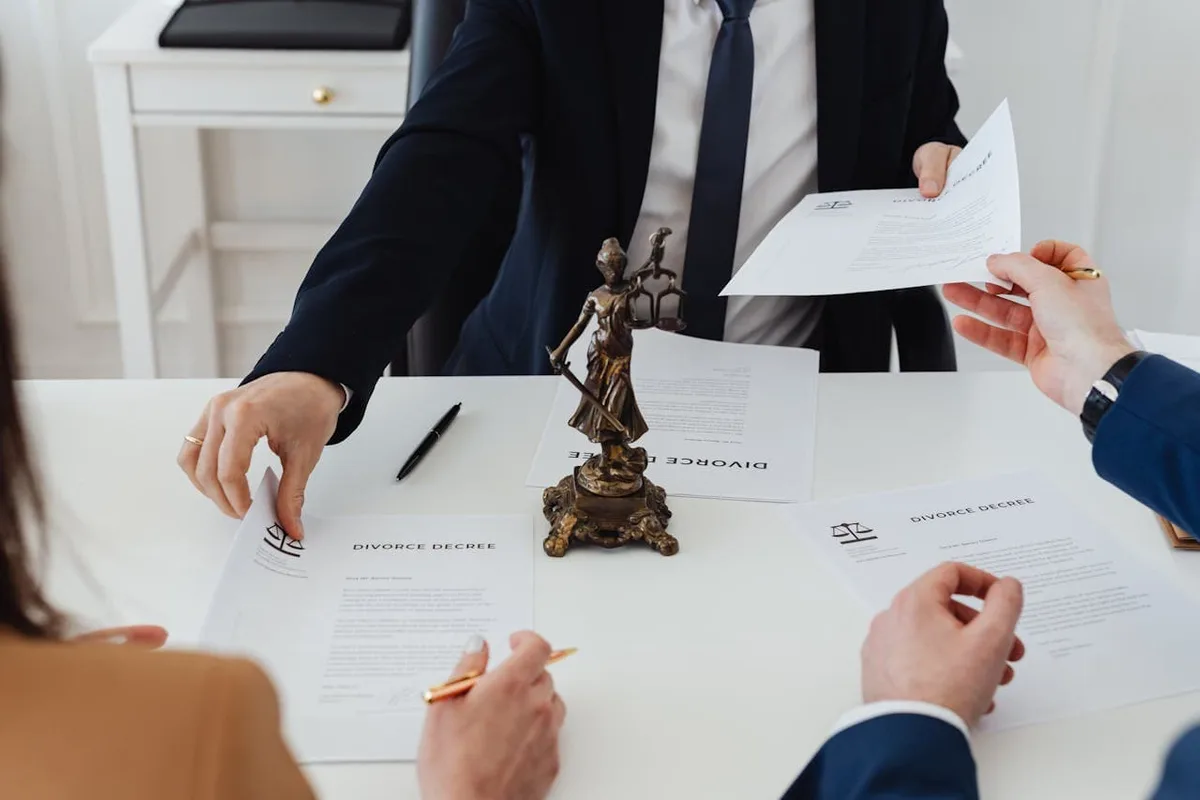
- The child allowance is based on a parent paying a child’s living and education costs, while the Single Parent Allowance is for single-parent families who mainly look after a child and have custody.
- From the 2023/24 year of assessment, each eligible child can give the taxpayer an allowance of up to HK$130,000.
- The Single Parent Allowance requires you to have had no partner all year, to bring up the child alone or mainly alone, and to receive the child allowance in the same year of assessment.
- You cannot claim the Single Parent Allowance in the year of separation or divorce. If the parents cannot agree, the Commissioner of Inland Revenue divides the child allowance in proportion to the financial support each gives.
The Single Parent Allowance in Hong Kong is a tax relief for single-parent families. It reduces the tax a single parent pays and eases their financial burden.
The allowance is adjusted each year in line with changes in the cost of living. Below, we explain whether the child allowance after divorce can be combined with the Single Parent Allowance.
Child allowance and Single Parent Allowance: the difference
Both the child allowance and the Single Parent Allowance are tax reliefs, but the conditions for each are different.
| Child allowance | Single Parent Allowance | |
|---|---|---|
| Basis of the relief | A parent pays the child’s living and education costs | A single-parent family mainly looks after the child and has custody |
| Nature | Tax relief for raising a child | Extra relief for single-parent families |
Both aim to ease a family’s financial pressure, but the conditions for claiming and what each covers are different.
- Rebuilding your life after divorce: how to look after yourself and start again
- Helping children adjust to a new family after divorce, so that children in a remarried, blended family grow up well
- Dating after divorce: challenges, opportunities and points to watch
- How long must you wait to remarry after divorce in Hong Kong? Procedure in 2024
Not sure which allowance applies to you?
Feel free to check your family and income situation with us.

When the child allowance applies
Under the tax law, a taxpayer can claim the child allowance for a child who meets any one of these conditions:
- An unmarried child under 18
- A child aged 18 to 25 in full-time education
- A child over 18 who cannot work because of a physical or mental disability
The amount of the child allowance
From the 2023/24 year of assessment, the child allowance is calculated for each eligible child, with an additional amount if a child is born in that year:
| Allowance | |
|---|---|
| Each eligible child | Up to HK$130,000 |
| Two children in 2023/24, one of them born that year | Total allowance HK$390,000 |
What counts as a “child”
The Inland Revenue Department defines “child” broadly. It includes the taxpayer’s:
- Biological children
- Adopted children
- Stepchildren
Please note
- A child born outside marriage can also qualify for the child allowance, as long as the other conditions are met.
How spouses divide the child allowance
Even if a taxpayer and their spouse bring up several children together, only one of them can claim the child allowance, unless they live apart.
Both spouses must agree before applying. Following Inland Revenue Department guidance, you can choose who claims in order to reduce the tax payable:
| Who should claim | |
|---|---|
| Only one spouse has income | The spouse with income |
| Both spouses have income | The higher earner |
| One spouse’s income is taxed at the standard rate | The other parent |
A child’s education and eligibility for the allowance
As long as a child was in full-time education at some point in the tax year, the taxpayer can claim the child allowance for a child aged 18 to 25, whether or not the child has graduated or is yet to find work.
| Can you claim? | |
|---|---|
| Studying overseas | Can still claim |
| Working Holiday | Not eligible |
| Part-time vocational training | Not eligible |
| Vocational Training Council apprenticeship scheme (employment contract) | Not eligible |
| Full-time course | Can claim |
| Labour Department’s Youth Employment and Training Programme | Cannot claim |
Whether a Vocational Training Council apprenticeship qualifies depends on whether it is treated as full-time education. If it is an employment contract between apprentice and employer, it counts as work, not education.
The Labour Department’s programme mainly offers short-term training and internships to help young people get ready for work. It is not full-time academic education.
Who can claim the Single Parent Allowance
Under section 32 of the Inland Revenue Ordinance (Cap. 112), a taxpayer must meet the following conditions to claim the Single Parent Allowance:
- You had no partner for the whole tax year, meaning you were unmarried, divorced or widowed, or long separated from your spouse
- You brought up the child alone or mainly alone for the whole year
- You received the child allowance in the same tax year
Getting the child allowance
To get the child allowance, a taxpayer must show that they contributed to the child’s living and education costs in that tax year.
If both parents share these costs, each may be able to claim part of the child allowance. If there is a dispute, the Commissioner of Inland Revenue divides it in proportion to each parent’s contribution.
Please note
- Paying a child’s living and education costs is not, by itself, a reason to claim the Single Parent Allowance.
- Even if a taxpayer looks after and has custody of several children, the Single Parent Allowance does not increase.
Since the 2015/16 year of assessment, the Single Parent Allowance has been set at HK$120,000. By claiming it in your annual tax return, you can reduce the tax you pay as a single parent.
Claiming the Single Parent Allowance after separation or divorce
A taxpayer who has just separated from a spouse or completed a divorce cannot claim the Single Parent Allowance in the year of separation or divorce. For example, for a divorce in August 2024:
| Can you get the Single Parent Allowance? | |
|---|---|
| 2024/25 year of assessment | Cannot claim |
| 2025/26 year of assessment or later | Can apply |

Not sure whether you can claim in the year of your divorce?
Feel free to check your separation or divorce date with us.
Claiming the child allowance after divorce
After separation or divorce, parents are still entitled to claim the child allowance for a child under 18.
Everyone who qualifies, including biological parents and stepparents, can claim part of the allowance. The split works as follows:
-
Agreeing the split
The Commissioner of Inland Revenue will normally ask all the parents who want to claim to try to agree first on who gets the allowance, or how it is shared between them.
-
How the Inland Revenue Department steps in
If the parents cannot agree on how to split the allowance, the Commissioner of Inland Revenue divides the child allowance in proportion to the financial support each claimant gives the child.
-
When a claim fails
If the claimants cannot reach any agreement and have not provided enough evidence of supporting the child, the Inland Revenue Department may reject the claim.
Agreeing in advance avoids needless disputes and confusion during the split.
When the Commissioner of Inland Revenue divides the allowance in proportion, the split is fairer and more reasonable.
Please note
- Claimants should provide full and specific records of their support for the child, so that the Inland Revenue Department can assess the claim.
More articles on improving your marriage:
- Tips for couples to communicate when you do not want to divorce or break up
- How couples can keep their marriage strong and prevent divorce
- The best ways to nurture a marriage in Hong Kong
- Does marriage counselling in Hong Kong help?
- Benefits of family mediation for Hong Kong families
- Marriage counselling organisations in Hong Kong: an introduction, marriage counselling hotlines and fees
Unable to agree the split with the other parent?
Feel free to ask about your situation and the support records you can prepare.
Single Parent Allowance after divorce: common questions
What is the Single Parent Allowance?
The Single Parent Allowance is a tax relief in Hong Kong for a taxpayer who has had no spouse for the whole year and brings up a child alone.
How much is the Single Parent Allowance?
Since the 2015/16 year of assessment, the Single Parent Allowance has been set at HK$120,000.
Who can claim the Single Parent Allowance?
You can claim if you are a taxpayer who had no spouse for the whole tax year (unmarried, divorced, widowed or long separated), who brought up a child alone or mainly alone, and who received the child allowance in the same tax year.
How is the Single Parent Allowance different from the child allowance?
The child allowance is a tax relief based on a parent paying a child’s living and education costs. The Single Parent Allowance is a tax benefit for single-parent families who mainly look after and have custody of a child.
Do I have to claim the Single Parent Allowance again every year?
Yes. A taxpayer must submit a new claim each year to get the Single Parent Allowance.
I have just divorced and have no formal custody order. Can I claim the Single Parent Allowance?
Yes. Even without a formal custody order, you can claim if you can give enough evidence that you are the child’s main carer.
If my divorce happens in the middle of a tax year, can I claim the Single Parent Allowance for that year?
No.
A taxpayer cannot claim the Single Parent Allowance in the year of separation or divorce, and can only claim from the next tax year onwards.
If my ex-spouse and I take turns looking after our child, can we both claim the Single Parent Allowance?
No. Only the parent who brings up the child alone or mainly alone for the whole year can claim the Single Parent Allowance.
My divorce agreement includes child maintenance. Does this affect my claim for the Single Parent Allowance?
No. Receiving child maintenance does not affect your eligibility. What matters is whether you are the child’s main carer.