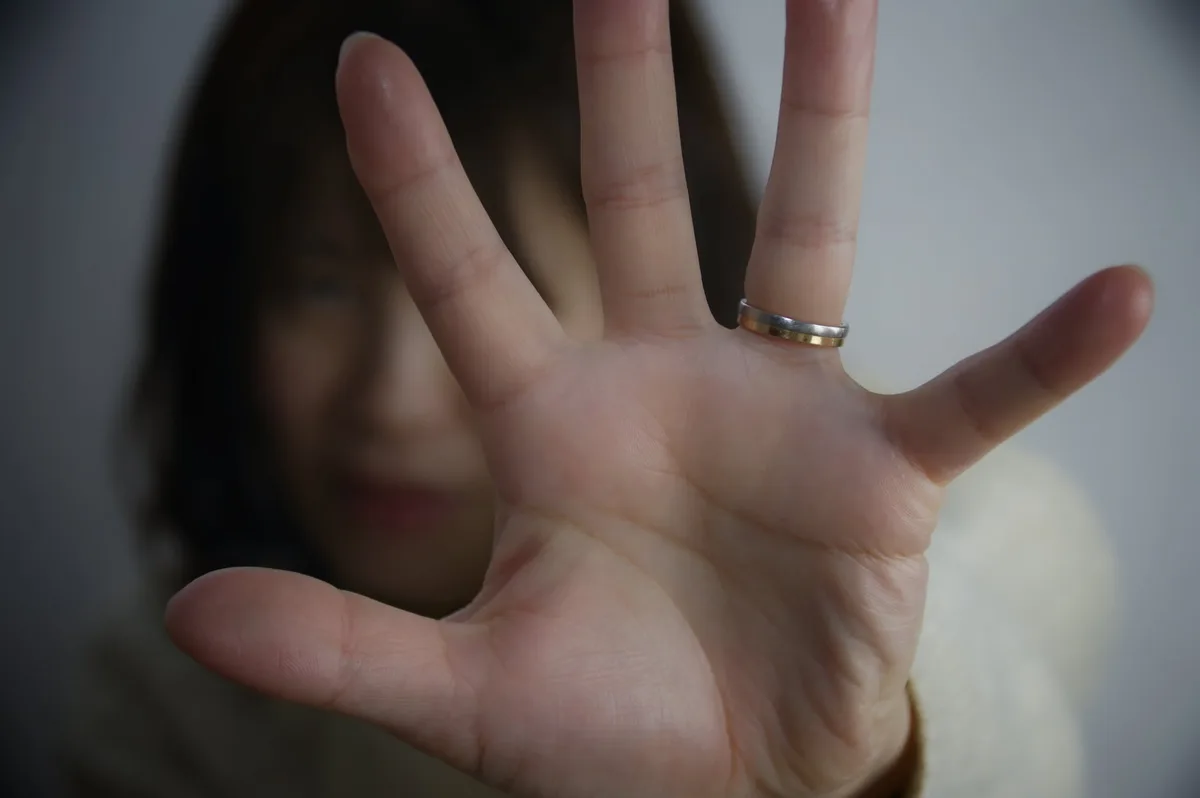
- Domestic violence covers physical, emotional, sexual and financial abuse. It is never a private matter, and any one of these can be a legal basis for a divorce.
- A victim can apply for a protection order first to stay safe. Domestic violence counts as unreasonable behaviour, so there is no need to wait out the two-year separation period before applying for divorce.
- Domestic violence affects how the court decides maintenance and the division of property. The victim can also bring a separate civil claim for compensation.
- Harmony House, Caritas Family Crisis Support Centre, the Legal Aid Department and several refuges offer hotlines, temporary accommodation, and legal and emotional support.
Hong Kong law sets out a clear procedure and protections for divorce involving domestic violence. Even so, filing for divorce, claiming compensation and dividing property all involve legal detail and evidence that you need to prepare.
This article explains the procedure, where to find help, compensation and the division of property in a Hong Kong divorce involving domestic violence.
Domestic violence and divorce in Hong Kong: four forms of abuse and your legal protection
Domestic violence is more than hitting someone, and it is never a “private matter”. Physical, emotional, sexual or financial abuse of a spouse or family member is a criminal offence.
Many people still feel family matters should stay behind closed doors. Staying silent only makes the abuser stronger.
There are four common forms of abuse:
- Physical abuse: hitting, shoving, attacking with objects, choking
- Emotional abuse: constant insults, threats of revenge, monitoring your phone and social contacts, or pressuring you with cold silence
- Sexual abuse: any sexual act without consent is an assault, even within a marriage
- Financial abuse: controlling money, taking your wages, refusing living expenses, stopping you from working
Any one of these can be a legal basis for a divorce.
Your legal protection in Hong Kong
- Domestic and Cohabitation Relationships Violence Ordinance (Cap. 189)
- Crimes Ordinance (Cap. 200)
- Offences against the Person Ordinance (Cap. 212)
Warning signs that it is time to act
- Your partner often uses violence or threats
- Your movements, money or relationships are severely restricted
- You feel intense fear after every argument
- You feel “trapped” and cannot speak or live freely
If you are in danger, call the police at once or contact a legal or social service organisation.
Leaving is not a sign of failure. It shows courage.

- Signs a marriage is breaking down and the right time to divorce
- The myth of staying together for the children
Not sure whether your situation counts as domestic violence?
Talk to us to check your situation and the protection open to you.

The divorce procedure for domestic violence: applying for a protection order
A protection order (also called an injunction) protects the victim immediately, before any divorce proceedings begin. It is the most important first step.
Many victims fear revenge, so protection should come before divorce.
Under the Domestic and Cohabitation Relationships Violence Ordinance (Cap. 189), a protection order can:
- Forbid the abuser to approach or contact the applicant, or to enter the home or workplace
- Forbid damage to belongings or interference with daily life
- Order the abuser to move out of the family home
If the abuser breaks the order, the court can sentence them directly.
Who can apply?
- Spouses and former spouses
- Cohabiting partners and former cohabiting partners, whether opposite-sex or same-sex
- Immediate family members, such as parents, siblings and children (including adopted children)
The applicant must show they have suffered violence, or have reason to believe it is about to happen. The following evidence carries real weight and also affects later compensation and property division:
- Hospital reports and medical certificates (including a description of the injuries and the dates)
- Police records and incident reference numbers
- WhatsApp and text messages, recordings, photos and the like
- Written statements from witnesses, neighbours, relatives or friends

How to apply
-
Get the forms
Collect the forms from the Family Court (Room 2, Mezzanine Floor, Wanchai Government Offices), or ask a solicitor to handle it. If money is tight, you can apply for legal aid.
-
Complete the petition
State the violence, how you were harmed and the restrictions you are asking for
-
First review
In urgent cases the court can grant an Interim Injunction (a temporary order), which takes effect immediately
-
Hearing and order
The judge decides after reviewing both sides’ evidence. A protection order can last up to 24 months and can be extended
The divorce procedure for domestic violence: divorce steps and interim arrangements
Domestic violence can be a ground for divorce. The applicant only needs to provide evidence and does not have to wait out the two-year separation period.
Under the Matrimonial Causes Ordinance (Cap. 179), the only ground for divorce is that the marriage has broken down irretrievably. The court tests this against five facts, and one of them is the other spouse’s unreasonable behaviour, which is where domestic violence falls.
The procedure has these steps:
-
File the petition
Filing the divorce petition
-
Notify your spouse
The court notifies your spouse so that they can respond
-
Attend the hearing
Both sides attend the hearing. If nothing is disputed, the court can decide on paper
-
Decree nisi
The court grants a decree nisi (a provisional divorce order)
-
Decree absolute
Six weeks later, the court grants the final divorce order (decree absolute)
If the abuser refuses to attend court, the court can hear the case without them, so the process does not stall.
Interim arrangements while the case is under way
A case can run for months. During that time you can also apply for interim orders. The court’s main considerations are “the best interests of the children” and “protecting the victim”:
- Interim maintenance: to keep your finances stable
- Interim residence order: orders the abuser to move out of the home
- Interim custody and access arrangements for the children: to keep them away from further violence
Arrangements for the children: safety comes first
Children who witness violence between their parents often develop problems with behaviour, emotions and learning. The court will consider:
- Whether the children have suffered or witnessed violence
- Each parent’s ability to care for them
- How stable life will be after the divorce
- The children’s own wishes, with more weight given to older children
If the abuser is a danger to the children, the court can suspend their custody or even remove their access.

- How to Divorce When Your Spouse Does Not Agree
- How long you must live apart before a Hong Kong divorce, and how long the application takes
- Divorce agreements, divorce petitions and joint applications
Compensation and division of property after domestic violence
Domestic violence affects how the court decides maintenance and the division of property. The victim can also bring a separate civil claim for compensation.
Two routes to compensation
| Approach | Covers | |
|---|---|---|
| Considered within the divorce case | The judge takes the harm caused by the violence into account | Tends to give the victim more financial support |
| Separate civil claim | A separate lawsuit for injury or psychological trauma | Medical bills, therapy costs and lost income |
Common heads of compensation:
- Medical costs: emergency care, hospital stays, rehabilitation, medication and therapy
- Psychological harm: post-traumatic stress disorder, anxiety, fear, loss of confidence
- Lost income: wages lost because violence stopped you working or led to dismissal
- Costs of rebuilding your life: moving, home safety measures and expenses while in refuge
- Legal and counselling costs: in some cases the abuser can be ordered to pay
Division of property: not simply “half each”
The core principle of dividing property is fairness. The court looks at:
- Both spouses’ income and earning capacity
- Where the family’s assets came from and how they were built up
- How long the marriage lasted
- The children’s needs
- Both spouses’ health
- Most importantly, the effect of the violence on the family
If the court finds the abuser’s conduct especially serious, the judge can lean heavily towards the victim, giving a larger share or priority use of the home.
Steps in dividing property
-
Disclosure of assets
Both sides must disclose property, savings, securities, pensions and insurance. If you suspect hidden assets, you can apply for an order for disclosure of assets
-
Valuation and negotiation
A solicitor or a court-appointed accountant values the assets. You can also reach an agreement through mediation
-
Judgment and enforcement
The court gives its final judgment. If the abuser does not comply, the court can freeze their assets or force a transfer
Maintenance and child maintenance
The court can order the abuser to pay maintenance, either periodically or as a lump sum, depending on both spouses’ income, standard of living, health and the children’s needs.
- If violence has cost the victim their ability to work or forced them out of a job, the court takes this into particular account
- Some judges have ordered the abuser to pay a larger lump sum, so that there are no further disputes later
- If the court decides the abuser is not fit to care for the children, custody goes to the victim. The abuser then pays child maintenance, set according to both parents’ incomes and the children’s actual expenses
When the abuser hides assets or refuses to pay
- Freezing Order: stops the abuser from moving or selling assets
- Enforcement Order: seizes wages or sells property at auction
- Contempt of court: openly defying a court order can lead to a fine or imprisonment
In one past case, a wife filed for divorce and the abuser claimed to have “only a little cash”. Her solicitor traced three hidden bank accounts and a company.
The court granted an immediate divorce, awarded the wife 70% of the assets, and added compensation for personal injury and 2 years of maintenance.
When preparing to negotiate:
- Gather evidence of the assets early
- Get advice from an experienced solicitor: do not negotiate terms with the abuser alone
- How maintenance is calculated and how long it lasts
- Is a wife always entitled to half the assets on divorce?
- The risk of assets being transferred before divorce
Not sure what compensation and property arrangements you can ask for?
Contact us about your property division and maintenance.
Support in Hong Kong for domestic violence and divorce: emergency help, refuges and legal aid
If violence is happening now, or you or your children are in danger, call 999 at once.
Many people think calling the police will make things worse, or stay silent out of fear of “airing family secrets”. But if the violence is not stopped, the harm only repeats.
Hong Kong has hotlines and organisations to turn to, such as the police 999 emergency line and the Social Welfare Department’s Family and Child Protective Services Unit. The police follow standard guidelines on domestic violence:
- Make sure the victim is safe first
- Arrange for an officer of the same sex to interview the victim where possible
- Provide temporary shelter or refer you to social services
- Arrest the abuser on the spot when the evidence is clear
After calling the police, go to hospital and keep the report.
In an emergency you can also go straight to a refuge. Harmony House, Po Leung Kuk Tsui Lam Centre and the Social Welfare Department’s Family Crisis Support Centre can all quickly provide temporary housing and legal advice.
Refuges
| Phone | Services | |
|---|---|---|
| Harmony House | 2522 0434 (24 hours) | Safe housing, social worker counselling, legal advice; the first domestic violence refuge in Hong Kong |
| Po Leung Kuk Tsui Lam Centre | 2894 8896 | Temporary housing, counselling, practical help with daily life |
| Wai On Centre | 2793 0223 | Refuge accommodation, legal and psychological support |
| Tin Ning Home | 2787 6865 | Temporary accommodation, crisis intervention |
| Yan Yin Home | 2890 8330 | Emergency accommodation, social worker follow-up |
Legal aid and court support
| Contact options | Services | |
|---|---|---|
| Legal Aid Department | Hotline 2537 7677; 213 Hennessy Road, Wan Chai; Monday to Friday, 8:45 to 18:00 | If you qualify, free representation: drafting the petition, appearing in court, applying for interim orders, compensation and division of property |
| High Court Resource Centre for Unrepresented Litigants | Hotline 2825 0586 | Sample documents and procedural advice, helping people who represent themselves with a divorce application |
You can book a consultation with the Legal Aid Department to find out whether you qualify for legal aid.
Social service organisations
Social service organisations are a victim’s “second lifeline”, offering free legal advice, temporary housing and counselling.
| Phone | Services | |
|---|---|---|
| Social Welfare Department | 2343 2255 | Protection order applications, temporary housing, financial assistance, counselling referrals |
| Caritas Family Crisis Support Centre | 18288 (24 hours) | Emergency accommodation, crisis counselling, psychotherapy |
| Hong Kong Women Centre Association | 2386 6255 | Legal support and emotional counselling; supports female victims |
| Po Leung Kuk Family Services Centre | 2894 8896 | Support for victims of violence, temporary housing, advice on dividing property |
Male and LGBTQ+ victims
| Contact | Services | |
|---|---|---|
| MAN Hotline for men (run by Harmony House) | 2295 1386 (Monday, Wednesday and Friday, 14:00 to 22:00) | Male victims: psychological support, legal referrals |
| Les Corner (Lesbian and Bisexual Women’s Equality Group) | Phone / WhatsApp: 5281 5201 | Lesbian and bisexual women: counselling, support referrals |
| Hong Kong Rainbow | Hotline 2769 1069 | LGBTQ+ people: counselling, legal advice |
Hong Kong Rainbow website: https://www.rainbowhk.org
Rebuilding your life after a domestic violence divorce: emotional, financial and family support
Once the divorce is over, how property is divided often decides whether you can start again. Emotional, financial and family support matter just as much.
Many people assume that divorce means freedom. But the fear and guilt left by long-term abuse can easily lead to post-traumatic stress disorder (PTSD) and anxiety.
To rebuild your emotional wellbeing, you could consider:
- Counselling or group therapy: the Social Welfare Department and Harmony House offer free or low-cost services
- Support groups: share experiences with other victims
- Daily rhythm and personal boundaries: regain a sense of control through exercise, study or hobbies

Financial and family support
The government and welfare organisations offer transitional Comprehensive Social Security Assistance (CSSA), job training and counselling:
- The Social Welfare Department runs a “Support Scheme for Victims of Domestic Violence”, which helps with property division disputes and temporary financial support
- The Vocational Training Council (VTC) runs re-employment courses and retraining courses for single parents
- Caritas community centres offer support for single-parent families and job-seeking counselling
- The Women Workers Association helps divorced women move into the service, education and care sectors
For the children:
- Little White Children’s Hotline (2751 8822): set up by Harmony House, offers counselling to children who have witnessed domestic violence
- Caritas youth counselling centres: play therapy and emotion management courses
- Hong Kong Psychological Society list of registered counsellors: to find psychological support for children
Helping children understand that “the violence is not their fault” is a key step in recovery.
A divorce after domestic violence should be more than an “escape”. It should be a “rebirth” and a “new beginning”.
Leaving violence is not an ending. It is the start of coming back to a real home.

- Support services, allowances and subsidies for single-parent families
- Preparing emotionally for divorce, and counselling
Still have questions about life after divorce?
Talk to us to check your situation and the support you need.